Formula 1 / News
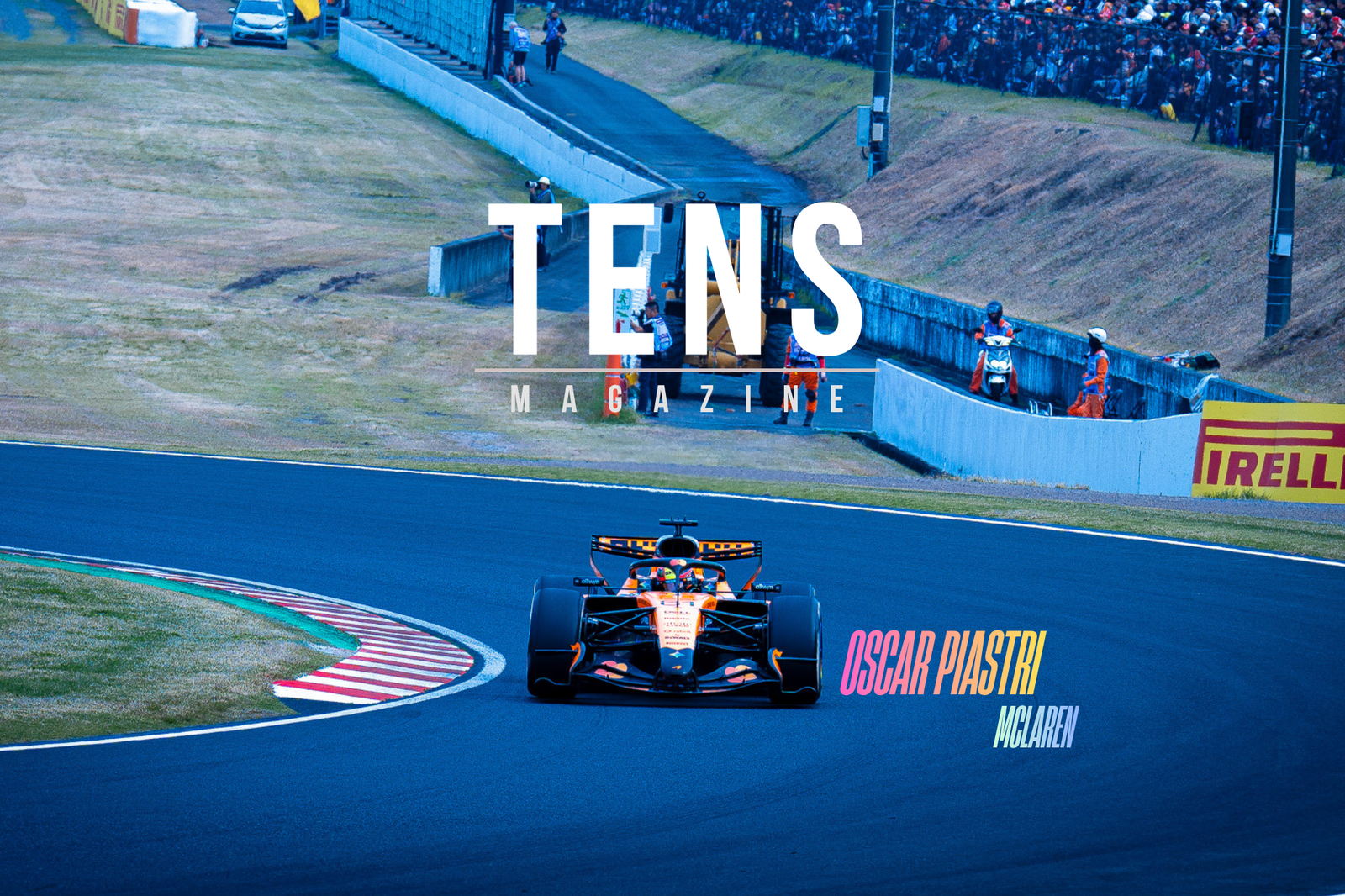
McLaren’s Rotating Wing Is Really a Reliability Test
McLaren’s delayed rotating rear wing shows that Formula 1’s active-aero contest is becoming a race to make every transition predictable.
Loading the page…
McLaren’s delayed rotating rear wing shows that Formula 1’s active-aero contest is becoming a race to make every transition predictable.
A new 100,486-lap analysis tests whether Formula 1’s 2022 ground-effect rules produced a detectable race-day reduction in dirty air.
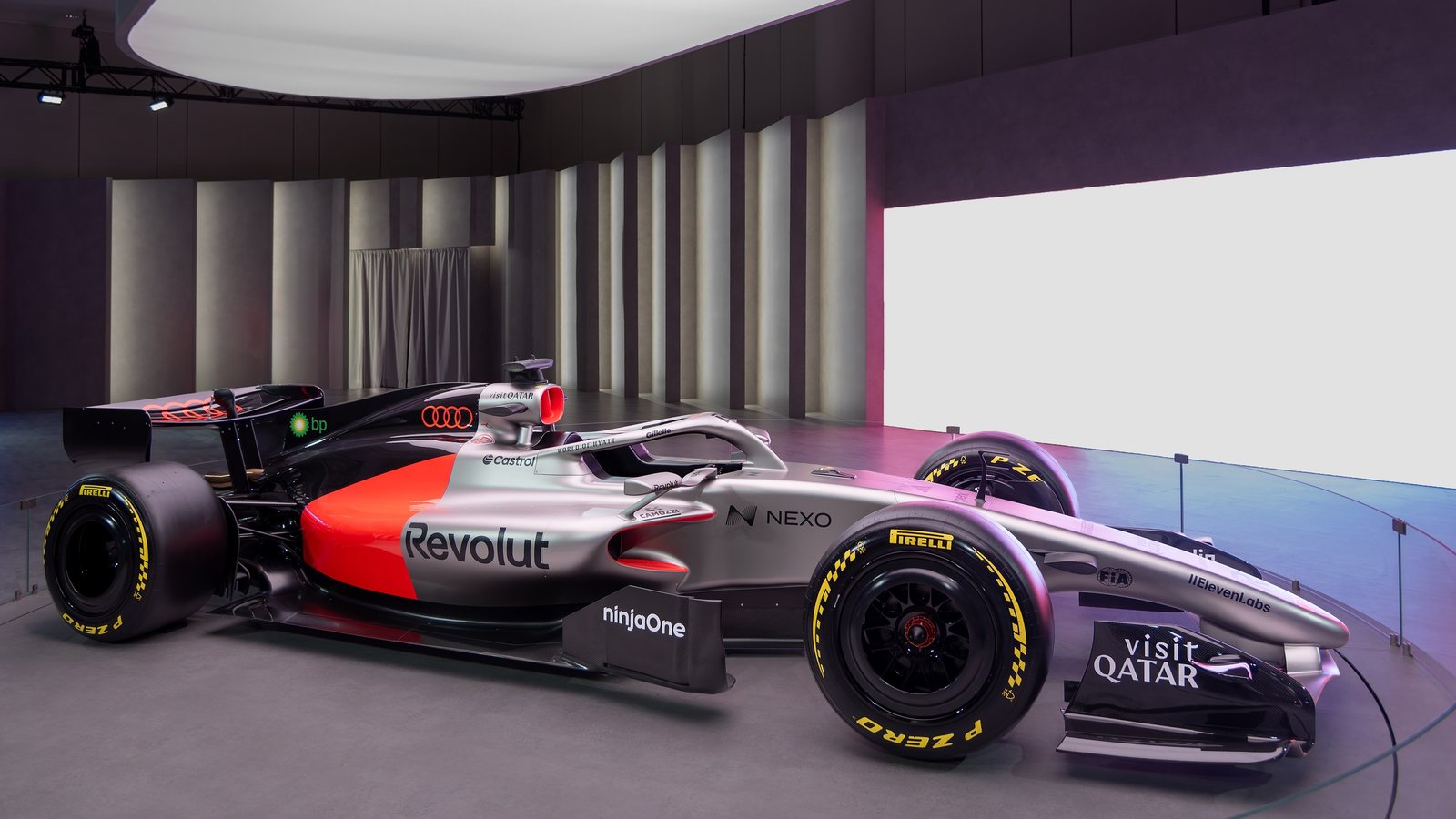
George Russell’s Hungary start failure shows how software calibration has become part of race execution in Formula 1’s 2026 era.
Formula 1 says a disrupted 2026 season would finish in Europe, not Las Vegas. The calendar logic reveals why the Strip is being protected.

Cadillac’s zero points obscure a more useful Formula 1 test: whether its pace, reliability and execution are becoming a repeatable system.
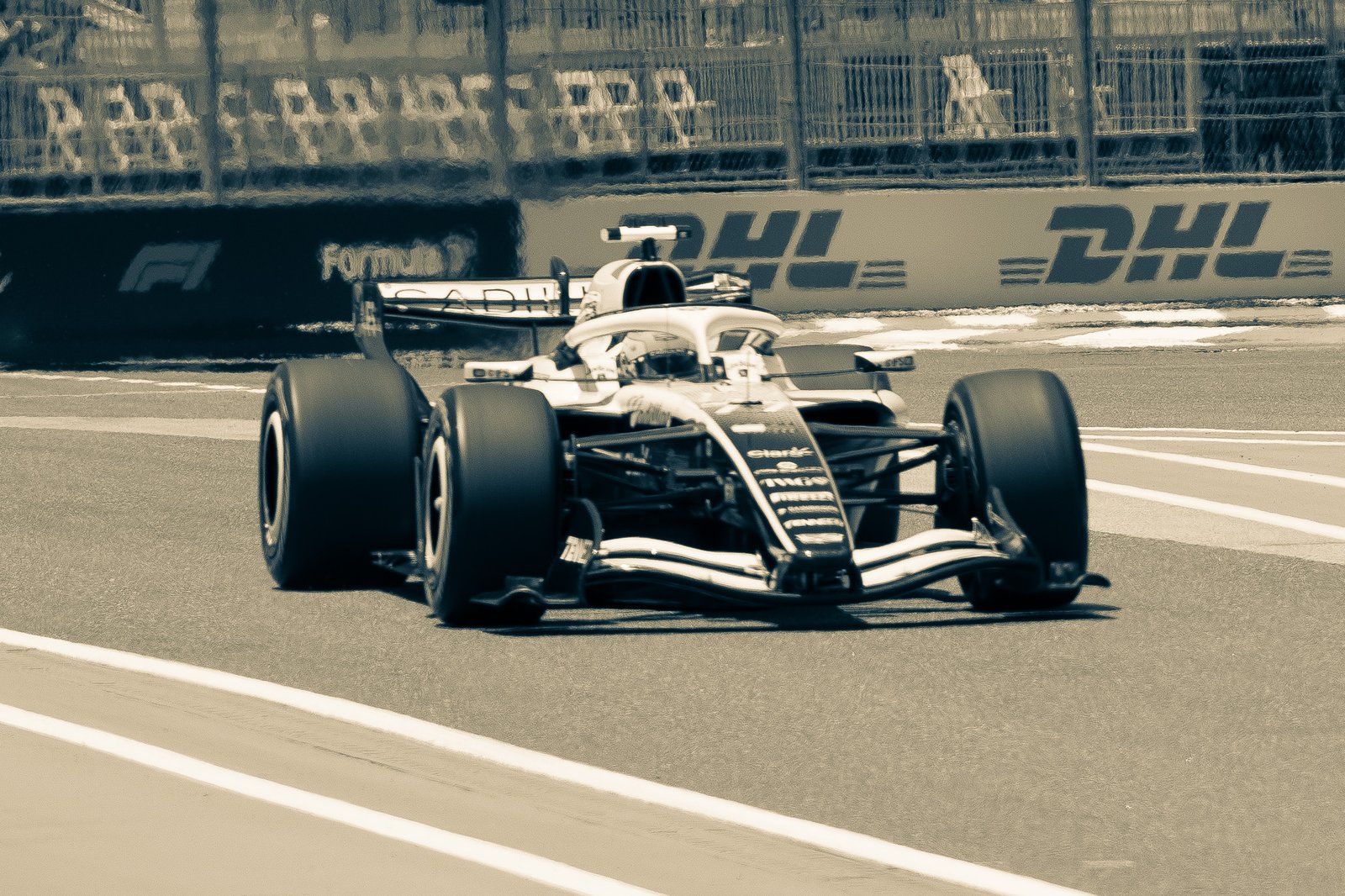
Tom McCullough’s exit tests whether Aston Martin can modernise its Formula 1 structure without losing the knowledge that made it resilient.
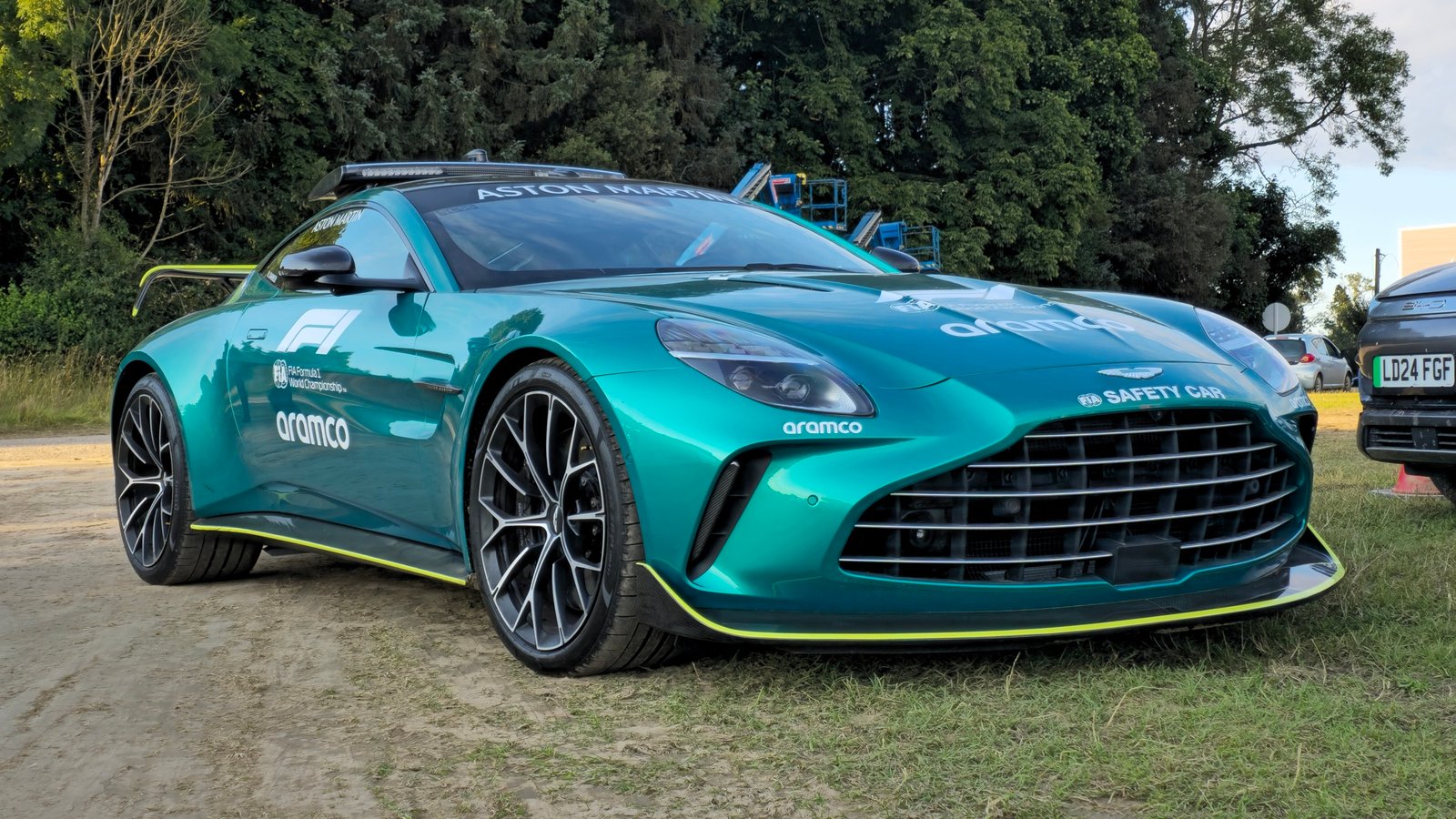
The FIA’s account of delayed 2026 engine fixes reveals a deeper Formula 1 problem: consensus moved slower than the evidence.
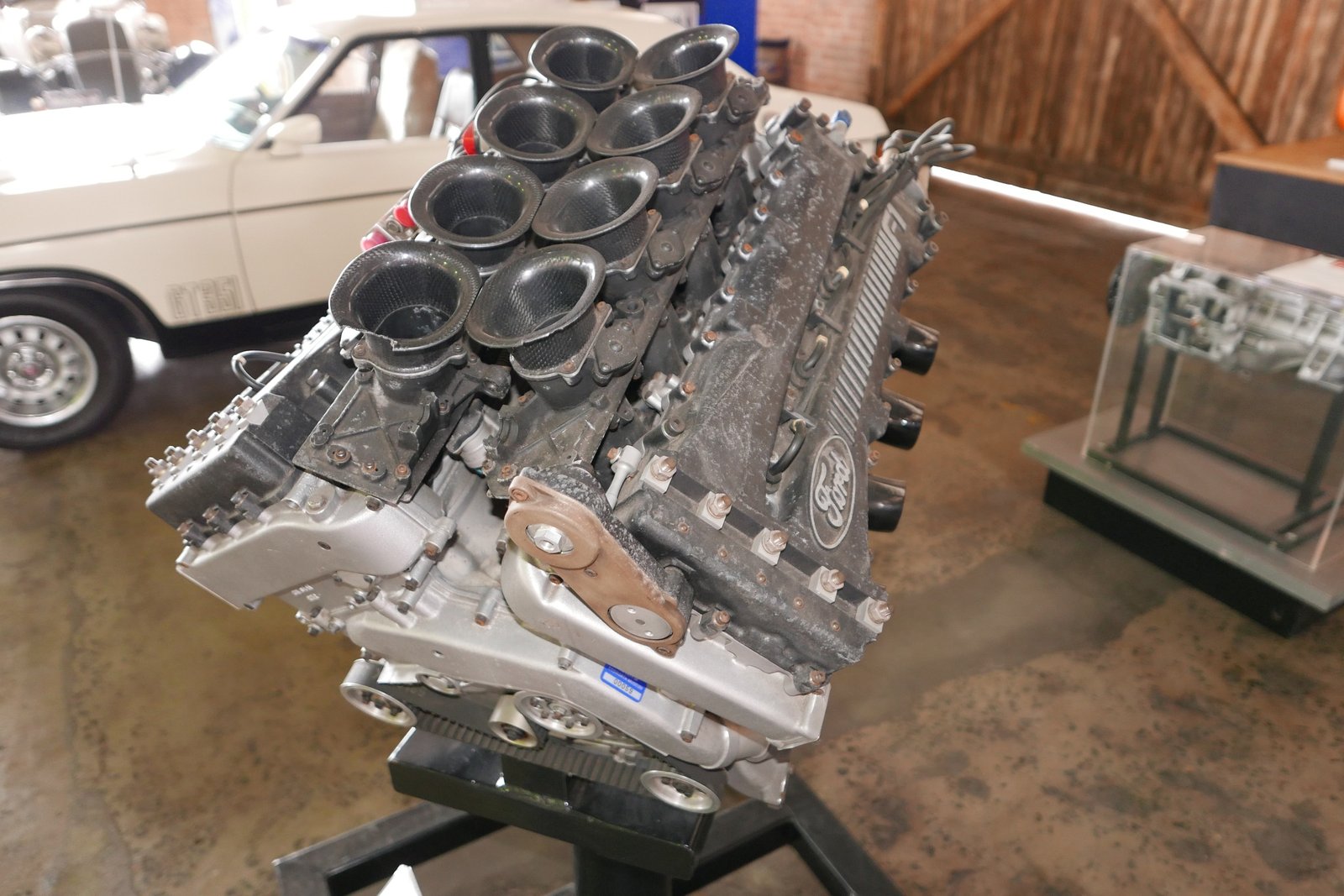
Red Bull turned a difficult Hungarian Grand Prix into 26 points, but its sharp race execution should not be mistaken for a solved RB22.
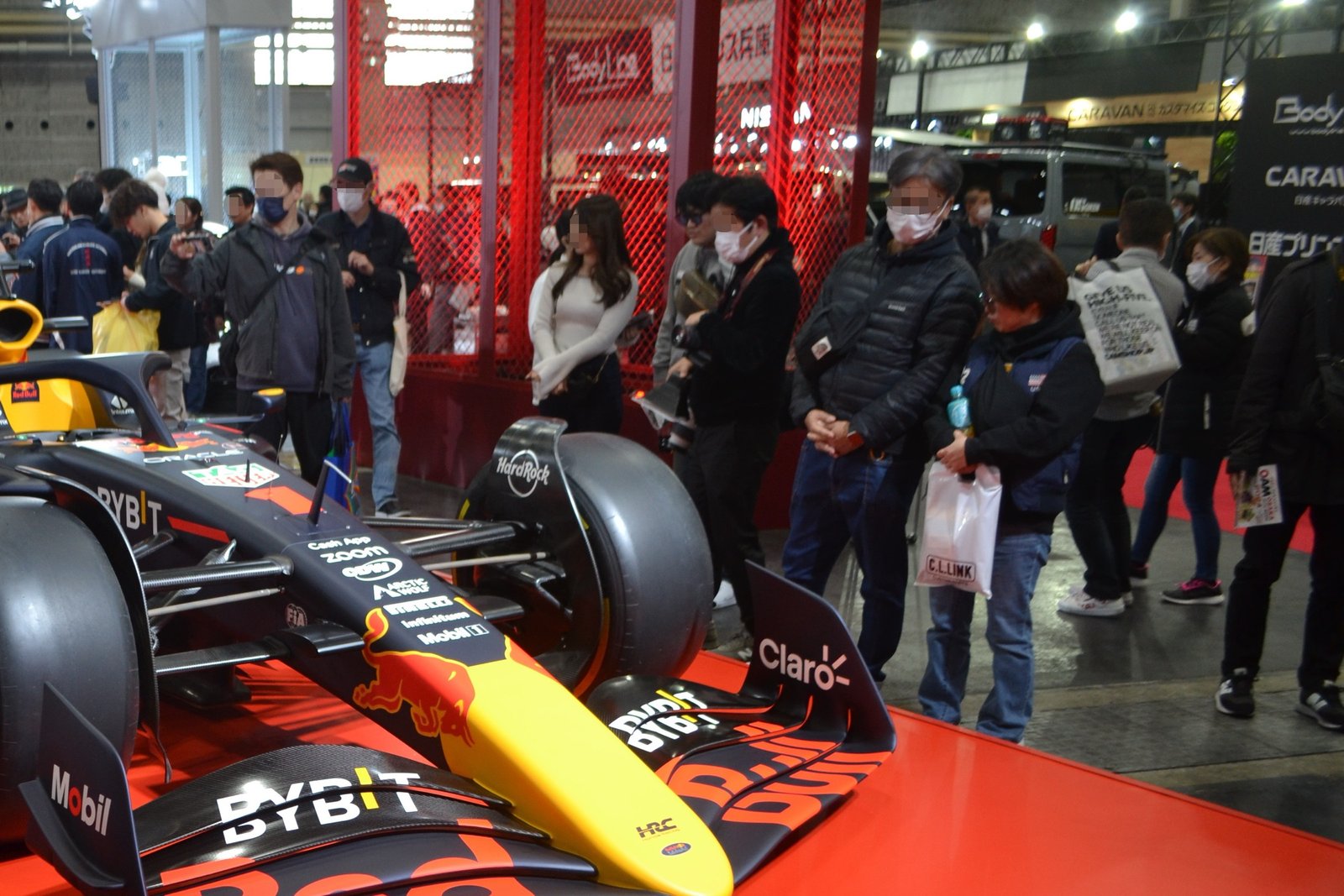
Gwen Lagrue’s 2027 arrival could make Red Bull’s famous Formula 1 junior pipeline more precise without making it less demanding.
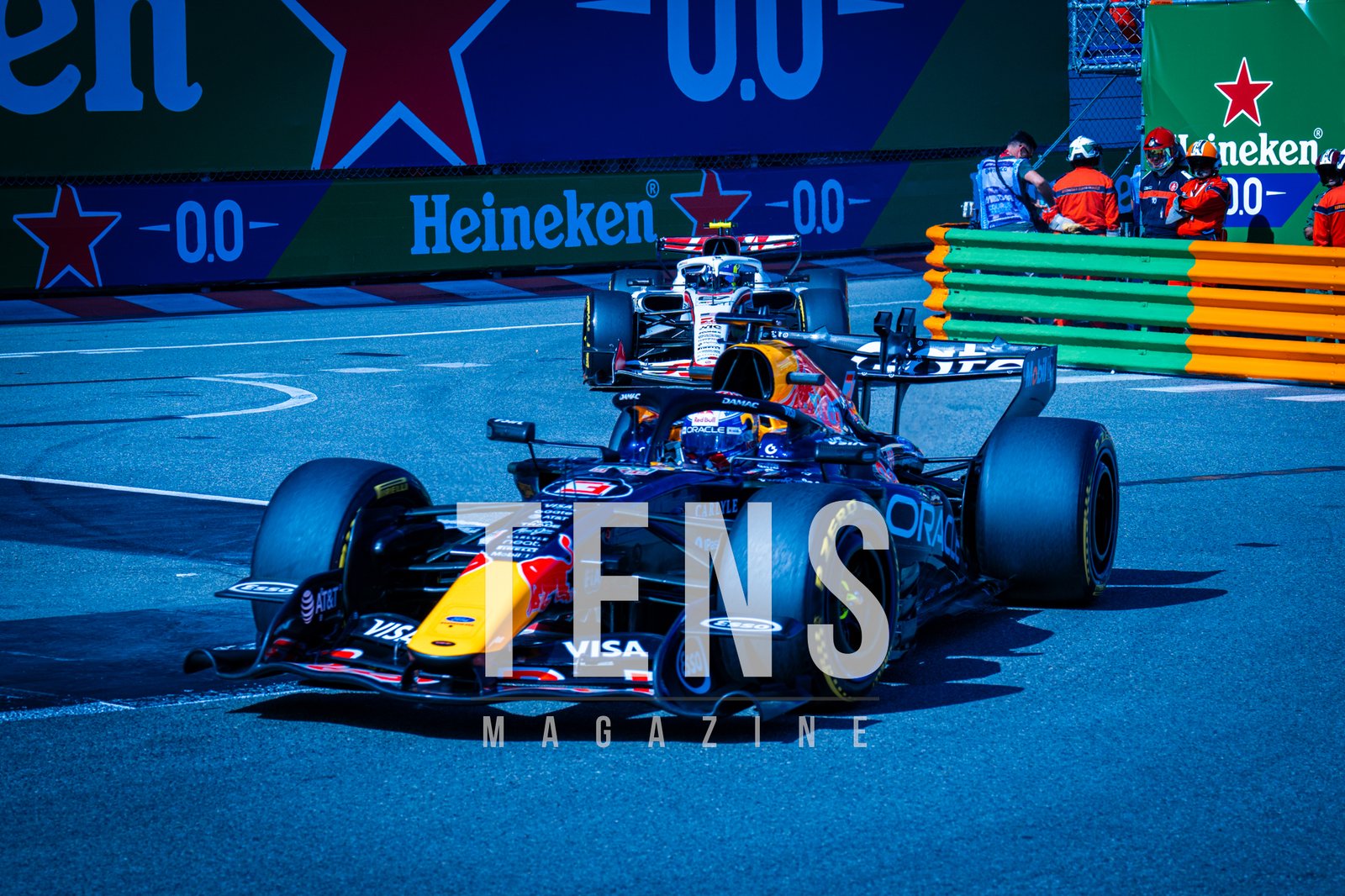
Aston Martin’s Hungarian upgrade validated its development direction, but correlation—not a points finish—is only the first test of a real recovery.
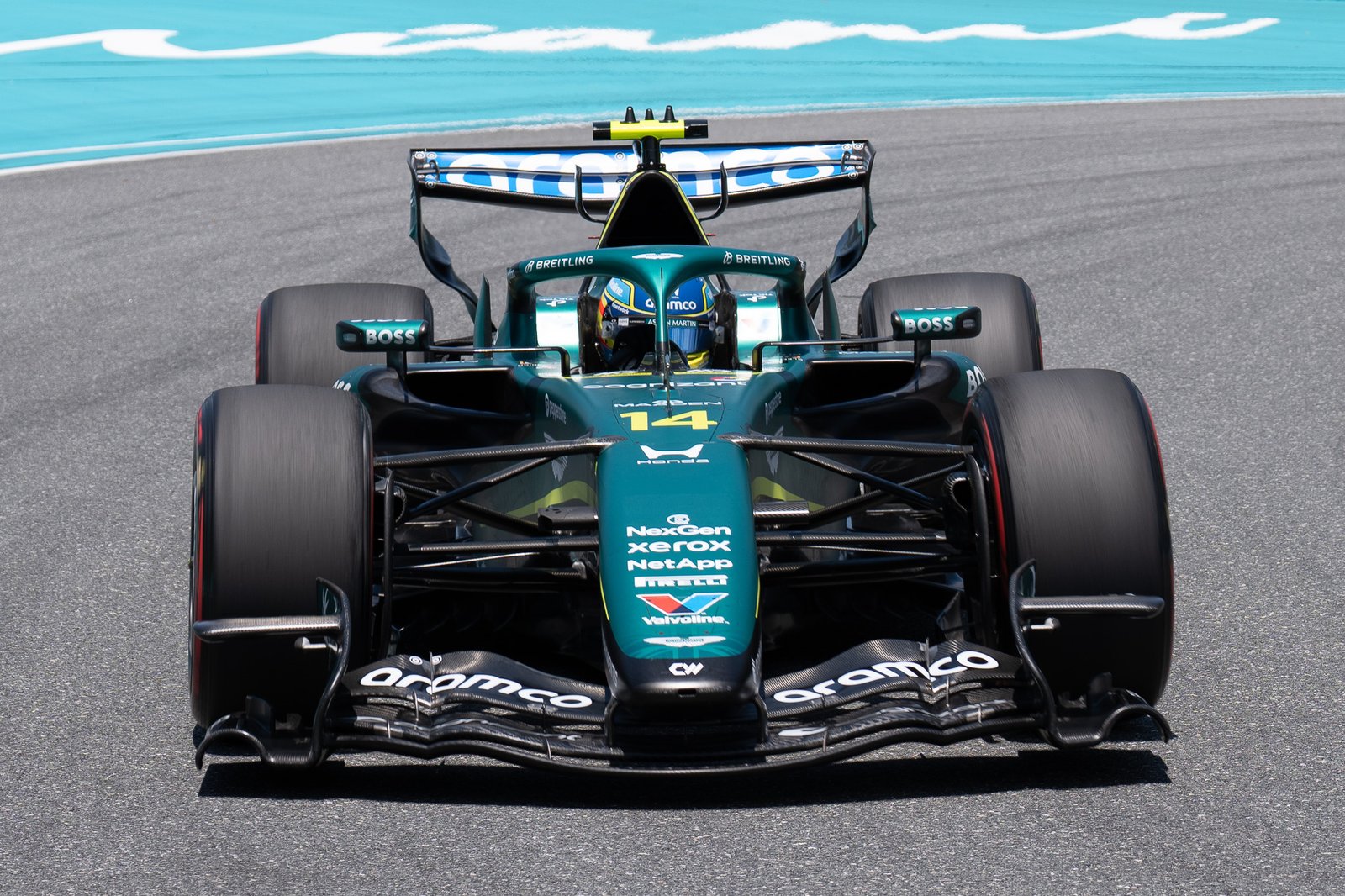
Ferrari remains Ollie Bearman’s dream, but the Haas driver has now made clear that patience cannot become an indefinite Formula 1 career plan.
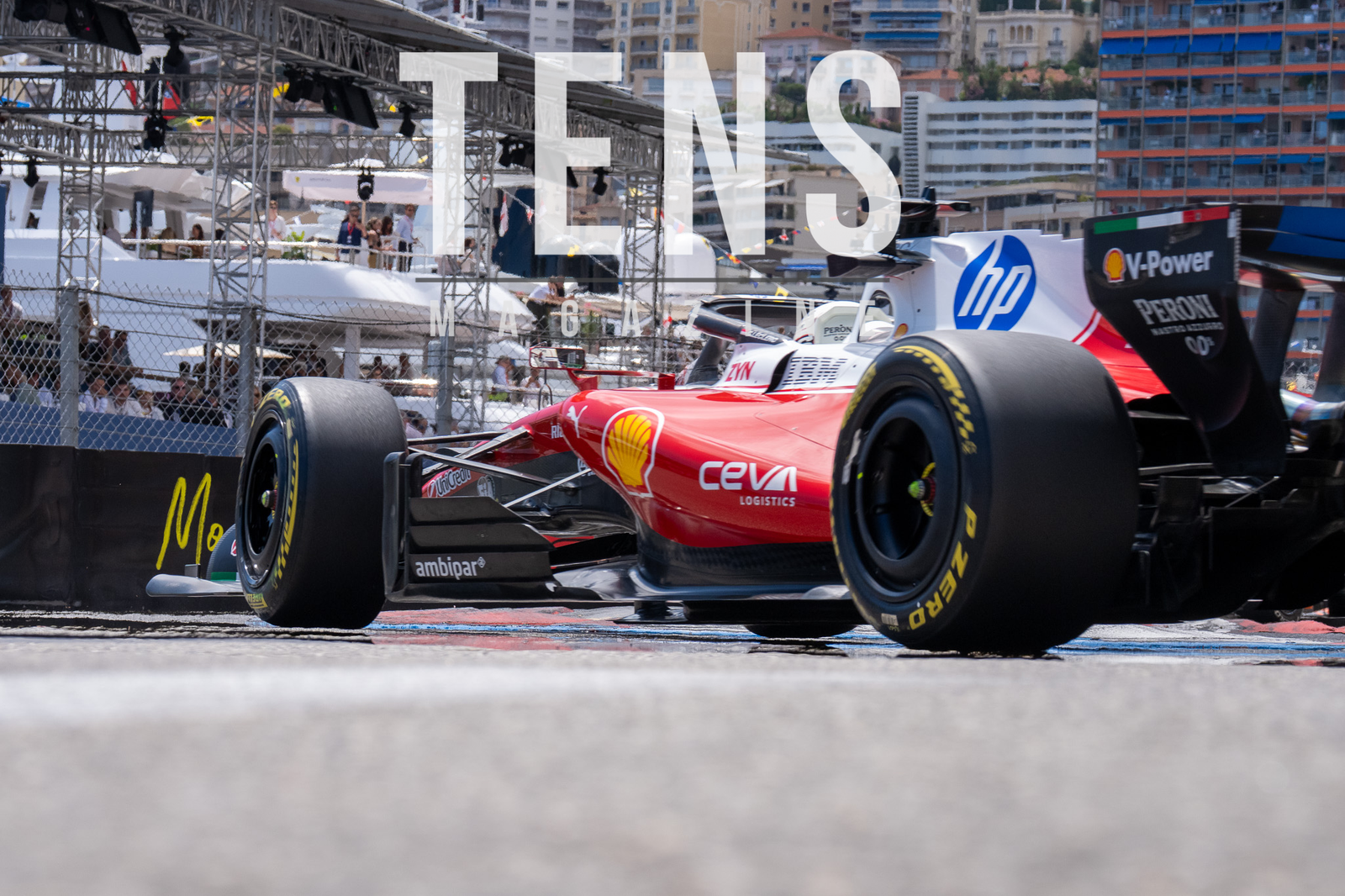
The paddock rumor linking Max Verstappen to ownership of Racing Bulls is fascinating—but a long way from becoming an established fact.